

You've poured a round for six guests, the ice is already melting, and the glasses still look unfinished. A cherry gives the whiskey drink a focal point. A mint sprig makes the lime-and-soda mocktail smell fresh. The glass without either looks like you stopped halfway through.
The garnish is often the first thing a guest notices, but appearance isn't its only job. Citrus peel adds aroma without juice. An olive brings salinity and something to eat. A sugar rim changes the sweetness of each sip, while a crisp pickled onion gives aperitivo service a savory finish.
The useful question isn't how much decoration a glass can hold. It's what the drink needs, and whether you can deliver that finish while greeting people, finding ice, and keeping dinner moving.
For hosts searching for drink garnishes ideas, the most practical choices work across the menu. Cherries can finish a Manhattan or an alcohol-free soda; herbs suit cocktails and mocktails; olives belong in a Martini or beside a glass of vermouth.
The hosting rule: Choose a garnish guests can smell, taste, or comfortably eat. If they have to remove it before drinking, reconsider its size or placement.
These choices suit different occasions, from quick brunch spritzes to stirred after-dinner drinks. Each has a useful role, a simple preparation method, and a failure point worth avoiding.
Table of Contents
- 1. Brandied Maraschino Cherries
- 2. Flamed Citrus Peel
- 3. Dehydrated Citrus Wheels
- 4. Flavored Salt Rim
- 5. Cocktail Olives and Dirty Martini Brine
- 6. Pearl Cocktail Onions
- 7. Edible Flowers and Flower Confits
- 8. Fresh Herb Sprigs and Expressed Aromatics
- 9. Sugar Rim and Flavored Sugar
- 10. Espresso Beans and Cocoa Dusting
- How the 10 drink garnishes compare by pairing, prep effort, and storage
- Choose Two Garnishes and Build the Rest of Your Bar
1. Brandied Maraschino Cherries
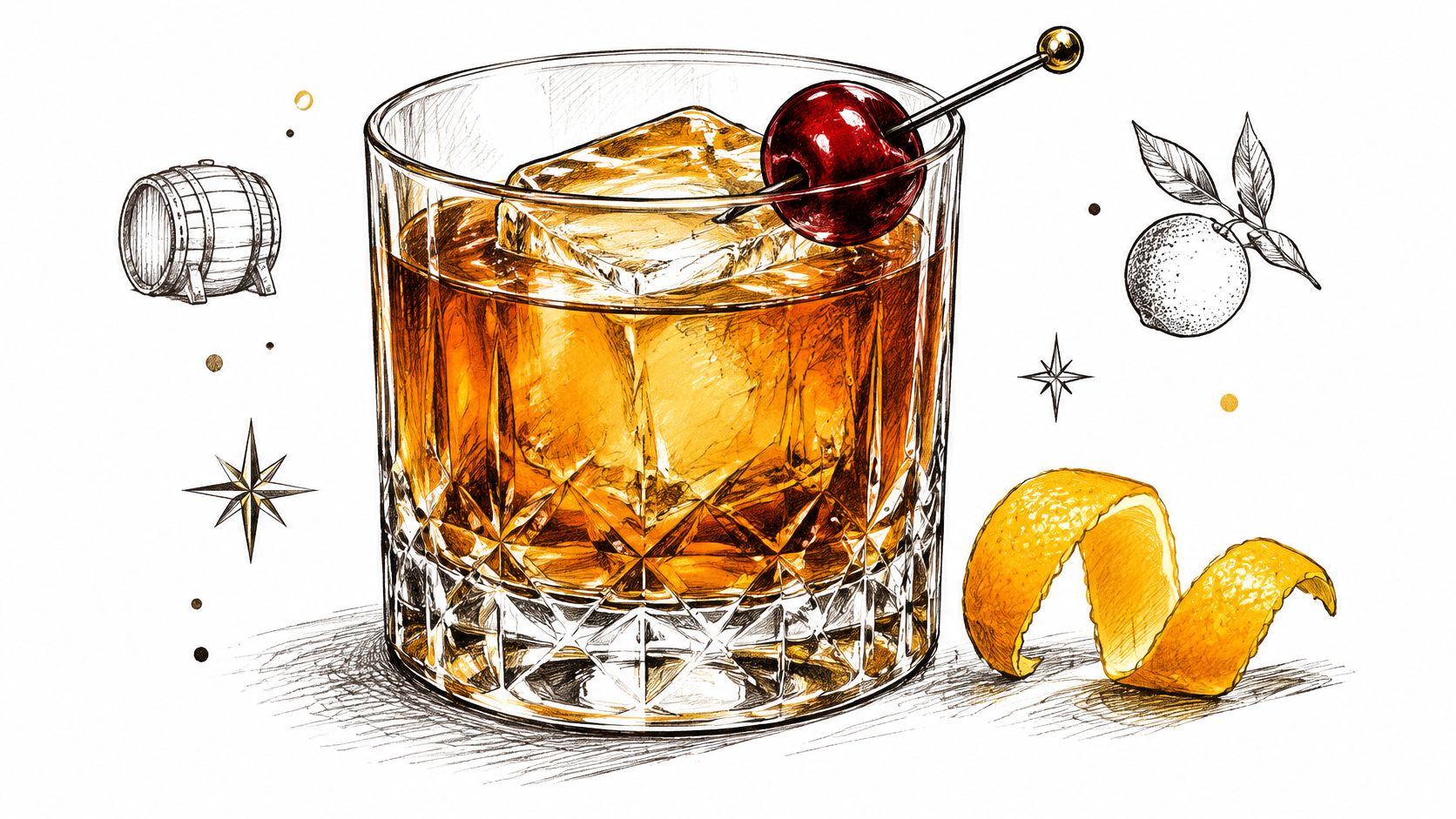
For a dinner-party Manhattan, a dark preserved cherry gives you sweetness, firm texture, and a tidy finishing touch. Choose by flavor rather than color alone. Brandied cherries, liqueur-preserved cherries, and cherries in syrup aren't interchangeable, especially when guests expect an alcohol-free drink.
The pairing has a documented history: the Oxford spirits dictionary entry on maraschino cherries identifies George Kappeler's 1895 Modern American Drinks as the first major cocktail manual to list them, including an optional cherry garnish for the Manhattan and Sweet Martini.
Match the cherry to the occasion
For a Manhattan or Old Fashioned, choose a cherry with enough tartness to stand up to whiskey. For a Shirley Temple or Roy Rogers, use an alcohol-free preserved cherry, checking both the fruit and its preserving liquid.
- Prep: Lift cherries with a clean spoon, let excess syrup drain, and place them on short, food-safe picks.
- Pair: Add cherries to pineapple-and-citrus tiki drinks when their sweetness fits the recipe.
- Adjust: Treat cherry syrup as a sweetener, not a free extra. Reduce another sweet ingredient if you add it.
The common failure is pouring syrup into an already balanced cocktail. Taste the drink first, then decide whether it needs sweetness or just the cherry.
2. Flamed Citrus Peel
Flamed orange peel suits a quiet cocktail round, not a crowded self-service bar. It adds a brief flash and a toasted aromatic accent to an Old Fashioned or another spirit-forward drink. For a busy gathering, an ordinary expressed peel is the better choice.
Expression does the essential work. The Plate Artists garnish guide explains that citrus oils sit in the colored outer rind and that squeezing the peel over the surface changes the drink's aroma. Dropping a strip into the glass doesn't deliver the same finish.
Master expression before adding flame
Wash and dry the orange, then use a Y-peeler to cut a broad strip with minimal white pith. Hold the colored side toward the drink and squeeze gently to spray the oils across its surface.
For the flamed version, work on a clear, nonflammable surface, away from bottles, paper, clothing, and overhead cabinetry. Hold a lit match between the peel and the drink, keeping your fingers clear, then squeeze the oils through the flame. Extinguish the match immediately; don't ignite the drink itself.
Watch the handling before attempting the technique.
Burning the peel produces an acrid smell rather than a useful finish. If the fruit is dry, the workspace is cramped, or guests are reaching across the bar, skip the flame. Freshly expressed orange peel also works beautifully over an alcohol-free bitter aperitif.
3. Dehydrated Citrus Wheels
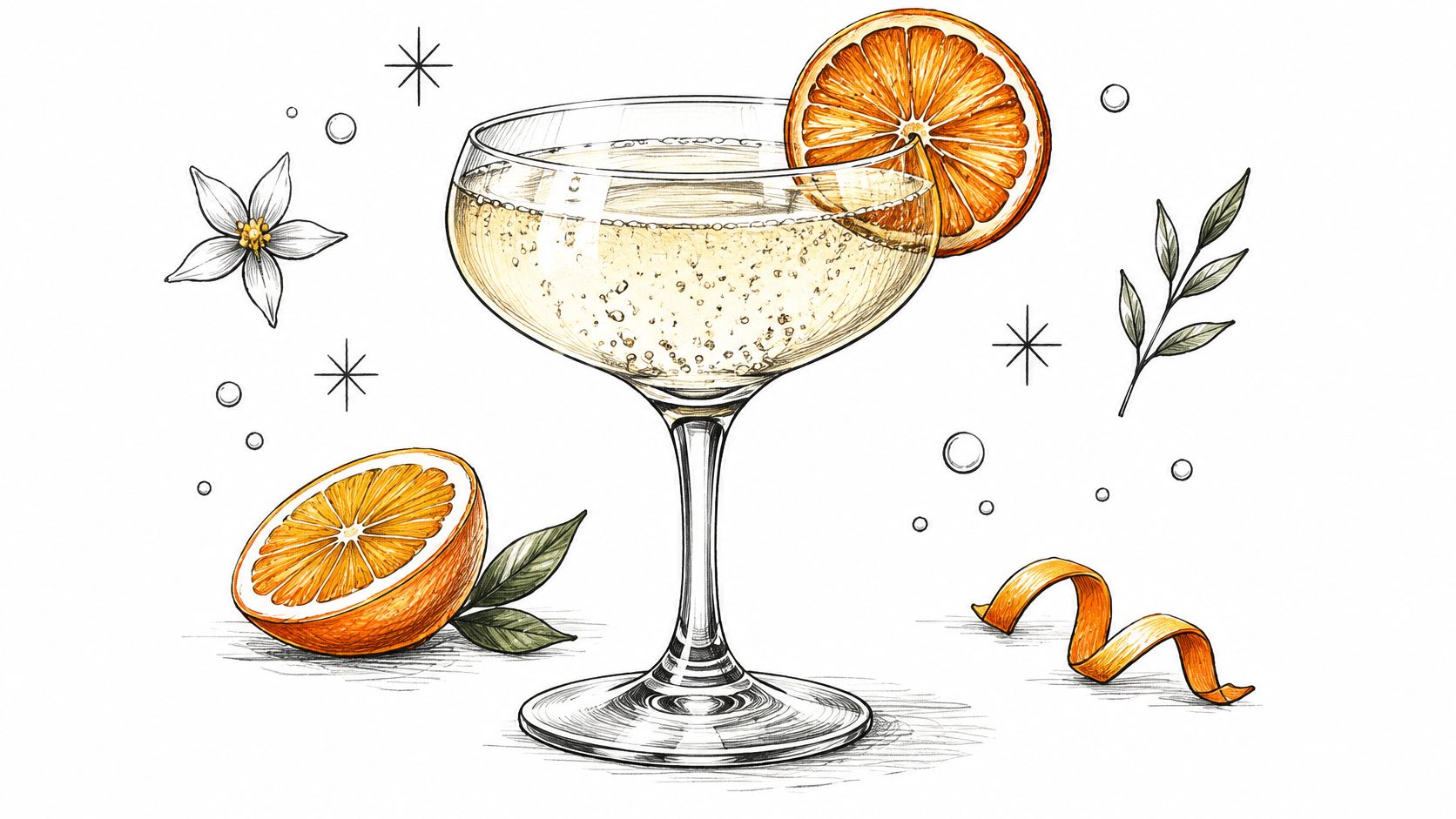
A spritz gathering is easier when the citrus garnish is ready before anyone arrives. Dehydrated wheels offer consistency and convenient storage, with none of the last-minute slicing that fresh wedges require.
Use orange with bitter aperitifs, lemon with tea-based mocktails, and lime with rum or tequila drinks. A dried wheel is primarily an aromatic and visual accent, though. It won't replace a fresh wedge when guests need juice to adjust their drink.
Keep the wheel proportional to the glass
Slice washed fruit evenly, dry it thoroughly using your dehydrator's instructions, and let it cool before sealing. Store in an airtight container away from steam; a food-safe desiccant can help protect against moisture. Our guide to dehydrated lemon peel offers another way to think about dried citrus in the pantry.
- For tall drinks: Rest a wheel against the ice rather than across the drinking edge.
- For small glasses: Use a broken segment instead of an oversized whole slice.
- For punch: Add a restrained scattering, not a floating lid of fruit.
Food & Wine's coverage of cocktail garnish waste describes bartenders moving away from oversized, single-use decorations toward better ingredient reuse. Apply that thinking at home: juice suitable fruit before wasting it, and don't dry a large batch without a plan for using it.
4. Flavored Salt Rim
For margaritas, palomas, and grapefruit mocktails, a partial salt rim gives guests control. They can sip through the salted side or turn the glass toward the bare edge. That's more accommodating than coating the entire rim.
Start with plain salt before adding chili, zest, or dried herbs. A tart grapefruit-and-soda mocktail often needs only a restrained mineral finish; a heavily seasoned rim can obscure its freshness.
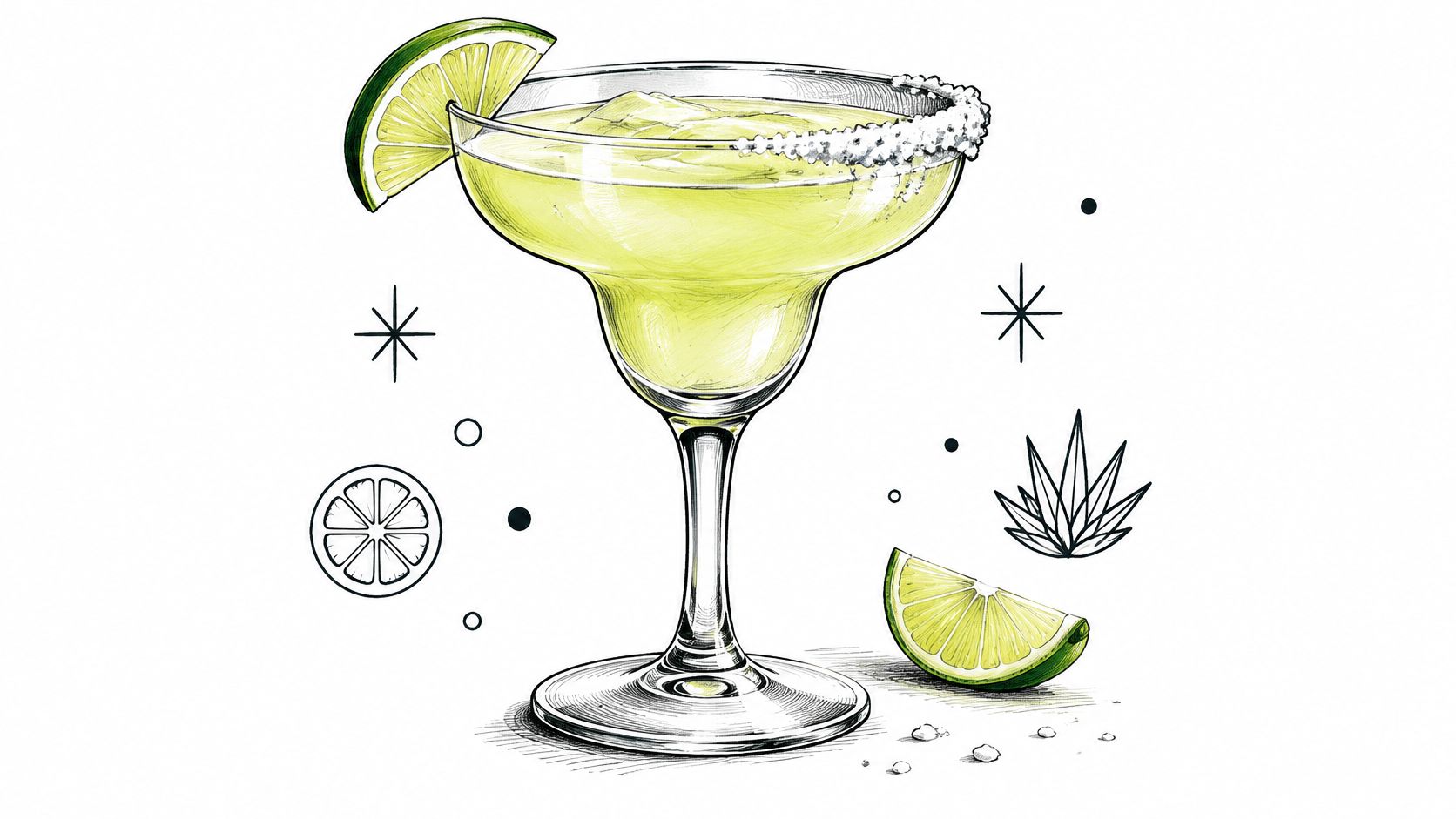
Rub a citrus wedge lightly along the outside edge of an empty glass, then press that edge into salt on a shallow plate. Keep the inside dry so loose crystals don't fall into the drink. Finish the rim before adding ice.
Choose texture, not just flavor
Fleur de sel gives a delicate, irregular finish; a coarse rimming salt produces a more pronounced crunch. Very large crystals can feel awkward against the lips, while a thick coating of fine salt can overwhelm a sip. Our guide to finishing salts explains the distinctions useful beyond the cocktail glass.
The main failure is excessive moisture. A dripping citrus wedge creates a thick, uneven crust that slides down the bowl. Use a light touch, shake away unattached crystals, and keep the rim mixture dry between glasses.
For brunch, try the same restrained treatment on a savory tomato mocktail.
5. Cocktail Olives and Dirty Martini Brine
Set out one olive for the glass and a separate bowl for snacking at aperitivo hour. The olive in the Martini should stay firm and clean. The snack bowl can be softer, oilier, more seasoned.
A mild green olive fits a dry Martini because it adds salt without steering the flavor. A stuffed olive adds a second flavor that works beside cheese and crackers but can blur a delicate gin. Our Martini olives guide lays out when to keep the garnish plain and when a stuffed version makes sense.
For a creamy option, FILTHY Blue Cheese Stuffed Olives bring richness that suits vodka well and can overwhelm a lightly botanical gin. Keep them apart from plain olives at the table. Check the ingredient label for dairy before serving.
Season gradually
Add brine by the barspoon, stir, and taste before you add more. Salt and acid levels differ by jar, so a habitual pour turns dirty fast.
Refrigerate opened olives as directed and keep them covered in liquid. Drain each garnish briefly, then thread it on a pick so brine does not cloud the drink. Use a clean utensil for every handful. Fingers soften the remaining olives and shorten jar life.
For an alcohol-free aperitivo, I would skip brine in the glass. Serve olives beside a savory botanical soda and let the contrast do the work.
6. Pearl Cocktail Onions
A Gibson offers a straightforward change for guests who enjoy Martinis but don't want olives. Pickled pearl onions add tang and a crisp final bite, making them especially useful before dinner.
Choose small cocktail onions rather than large pickled onions that dominate the glass. Taste one before service: a sweet pickle and a sharply vinegared onion lead to noticeably different finishes.
For a gin Gibson, let the onion complement the botanicals without adding extra pickle liquid automatically. In a vodka version, the onion's flavor will be more exposed, so its quality matters even more.
A savory garnish should complement a carefully mixed drink, not make it taste like the bottom of a pickle jar.
Keep the glass clean
Leave onions in their preserving liquid until you're ready to use them. Lift with a clean utensil, drain, and blot lightly if they're carrying excess liquid. Thread them onto a manageable pick that guests can remove without reaching into the drink.
Onion brine can season a Martini variation, but taste it first and add cautiously. It may bring sweetness and vinegar as well as salt.
For brunch, a cocktail onion also works on a small pick beside a Bloody Mary or tomato mocktail. Avoid building a heavy skewer that tips the glass or blocks the sip. Serve extra onions with cheese on a side plate instead of stacking the whole snack into the drink.
7. Edible Flowers and Flower Confits
Spring brunch is where floral garnishes make the most sense. A small edible blossom suits a light spritz, while a restrained amount of rose or jasmine confit can complement an elderflower drink.
Fresh flowers and flower confits behave differently. A fresh blossom mainly contributes appearance and sometimes aroma. Confit brings sweetness and a softer, preserve-like texture, so account for it when balancing the drink. Our confit and confiture guide explains the pantry terminology.
Food-safe comes before beautiful
Use flowers sold specifically for eating, with an identified edible species. Florist bouquets, garden-center plants, and unidentified garden blossoms aren't suitable substitutes.
- Handle gently: Follow the edible-flower supplier's washing guidance, drain carefully, and keep chilled.
- Add at service: Place a small blossom or a few petals just before handing over the glass.
- Use confit sparingly: Stir it into the drink deliberately or place a little on stable foam. Don't leave a sticky lump on the rim.
The FDA's guidance on pathogenic bacteria identifies fresh herbs in oil as a potential setting for Clostridium botulinum toxin production under suitable conditions. Don't improvise room-temperature herb or flower oils as garnish preparations.
A floral garnish fails when guests get a mouthful of wet petals or an unexpectedly perfumed sip. Keep the serving small, and choose plain citrus when you can't confirm the flower's identity or handling.
8. Fresh Herb Sprigs and Expressed Aromatics
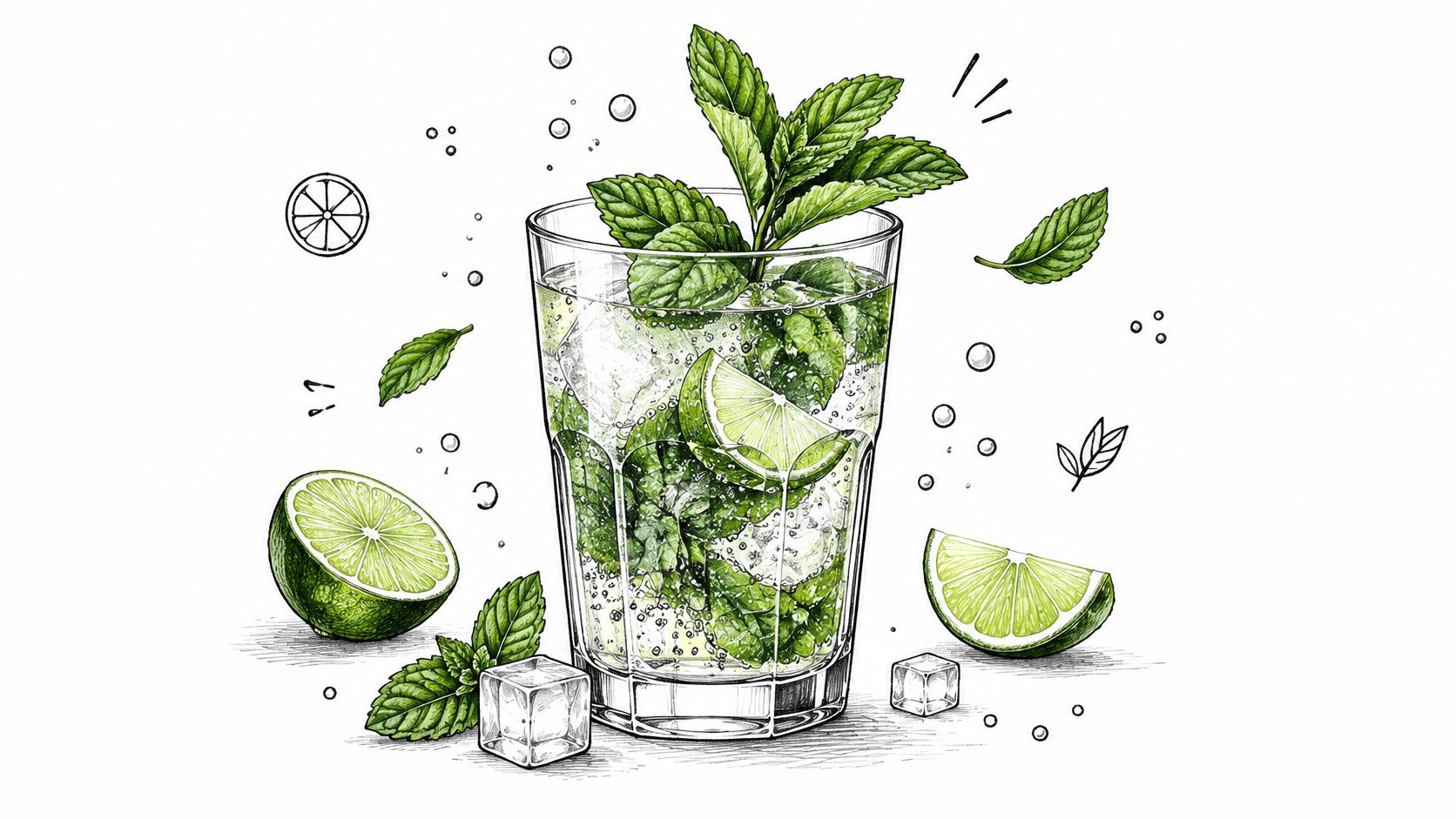
Mint is the practical choice for a summer drinks station. It suits mojitos, juleps, cucumber coolers, and lime-and-soda mocktails, so you don't need separate garnishes for alcoholic and alcohol-free rounds.
Select tender, upright tops rather than long stems with sparse leaves. Rinse gently, dry without crushing, and keep the garnish sprigs separate from herbs intended for muddling.
Put the aroma near the nose
Gently clap mint between your palms before placing it beside the drinking edge. Support the stem in the ice so the leaves stay above the liquid. Crushing the garnish into the glass defeats its neat appearance and can leave loose pieces in each sip.
Rosemary works with grapefruit and gin, while basil suits strawberry or lemon mocktails. Thyme is useful with citrus and orchard-fruit flavors, but keep woody stems short and out of the guest's way.
- Store mint: Stand trimmed stems in a little water, loosely cover, and refrigerate.
- Refresh service: Bring out small amounts and replenish rather than leaving the full supply beside a warm bar.
- Reject wilted sprigs: If the leaves are limp, blackened, or tired-looking, choose another garnish.
Torched rosemary adds complexity and another safety task. For most home gatherings, a fresh sprig gives a cleaner, easier finish without smoke competing with the drink.
9. Sugar Rim and Flavored Sugar
A cinnamon-sugar edge flatters warm apple cider at an autumn gathering, but the same coating overwhelms an already sweet tropical drink. Reserve sugar rims for drinks with enough tartness or bitterness to carry them, such as a lemon sour, a tart cranberry and sparkling water mocktail, or a bitter aperitivo that needs softening at first sip.
For citrus sugar, grate zest finely and rub it into granulated sugar until the crystals look tinted and smell fragrant. That rubbing step matters. It releases zest oil into the sugar and builds aroma without adding liquid. For rum drinks, demerara gives a heavier crunch and a caramel note. With cinnamon, mix sparingly. Too much spice turns dusty and bitter on the lips.
Let a fresh zest sugar rest until loose and dry before you rim with it. Damp clumps grab unevenly and slide down the glass. Mix the blend ahead if you like, but finish glasses close to service, since sugar rims soften fast in a humid kitchen.
Sweetness check: Taste the finished drink through the sugared edge before serving, then pull back the syrup or liqueur in the next round if the combination reads too sweet.
Cut the base sweetness when a rim is planned. A brunch mocktail with cranberry and sparkling water, for example, drinks better when the liquid itself is a touch tarter than usual.
10. Espresso Beans and Cocoa Dusting
After dinner, coffee garnishes make a clear visual connection between dessert and drinks. Espresso beans suit stable foam; cocoa suits a light, even dusting. Neither needs to cover the entire surface.
For an espresso Martini, make the drink properly before worrying about decoration. Beans won't stay neatly arranged on thin, collapsing foam. Place them gently just before serving, using clean fingers or small garnish tongs.
Cocoa offers a softer finish for coffee-liqueur cocktails, chilled coffee mocktails, and hot chocolate. It adds bitterness without the crunch of a whole bean.
Choose the finish guests will enjoy
Use a fine sieve and tap lightly above the drink. A thick cocoa layer can become dusty at the rim and unpleasant on the first sip. Keep the glass's drinking edge clear.
- For coffee cocktails: Use clean, fresh-smelling roasted beans and tell guests they're an optional bite.
- For mocktails: Match cocoa with chilled coffee and a suitable milk or dairy-free alternative.
- For hot drinks: Dust onto foam or cream rather than stirring dry powder across the surface.
Our espresso and fleur de sel hot chocolate recipe offers a related after-dinner pairing.
Don't add coffee beans automatically to every dessert cocktail. A delicate vanilla drink may suit a little cocoa better, while a heavily chocolate-flavored drink may need no extra garnish. Check milk and other ingredient allergens before serving creamy versions.
How the 10 drink garnishes compare by pairing, prep effort, and storage
A side-by-side check helps you buy for the menu, not for the shelf. Read the pairing column for the drink it serves, then check prep and storage before you commit. The last column names the mistake that ruins each garnish most often.
| Item | Best For | Prep Effort | Storage | Watch Out For |
|---|---|---|---|---|
| Brandied Maraschino Cherries | Manhattans, Old Fashioneds, and tiki drinks | Low; add whole or on a pick | Refrigerate after opening; keep submerged in syrup or liquor | Drying out or serving cold syrup straight from the jar dulls flavor |
| Flamed Citrus Peel | Whiskey, brandy, and aged rum cocktails | Moderate; express oils and flame carefully | Use fresh peel; prepare on demand | Scorched pith turns bitter and overpowers the aroma |
| Dehydrated Citrus Wheels | Bitter aperitifs with orange, tea mocktails with lemon, rum or tequila with lime | Moderate; slice and dry | Sealed and dry for long-term keeping | Moisture softens slices and fades aroma |
| Flavored Salt Rim | Margaritas, palomas, and savory cocktails | Low; wet rim and dip in salt | Keep dry in a sealed container | Humidity causes clumping and uneven coating |
| Cocktail Olives and Dirty Martini Brine | Dirty martinis and aperitivo service | Low; add olives and adjust brine | Refrigerate olives submerged in brine | Too much brine clouds the drink and adds excess salt |
| Pearl Cocktail Onions | Gibson martinis and savory drinks | Low; add whole or on a pick | Refrigerate in brine | Soft onions lose their crisp bite |
| Edible Flowers and Flower Confits | Celebrations, brunch, and sparkling cocktails | Low; garnish just before serving | Fresh blossoms wilt quickly; keep chilled and use fast | Wilted petals look tired and shed in the glass |
| Fresh Herb Sprigs and Expressed Aromatics | Mojitos, juleps, and herbal cocktails | Low; clap or gently bruise before garnishing | Refrigerate upright in water | Over bruising makes herbs dark and flat tasting |
| Sugar Rim and Flavored Sugar | Tart, tropical, and sparkling drinks | Low; flavor sugar and apply to rim | Keep dry in a sealed container | A thick coat makes the first sip gritty and too sweet |
| Espresso Beans and Cocoa Dusting | Espresso martinis and coffee-forward cocktails | Low; garnish or dust just before serving | Keep beans and cocoa sealed and dry | Stale beans taste dull. Heavy cocoa dusting feels dusty at the rim |
Choose Two Garnishes and Build the Rest of Your Bar
Six guests drinking spritzes and martinis need less variety than they need speed. Pick one aromatic garnish and one textured garnish for the whole evening. Citrus peel plus olives covers an aperitivo table. Mint plus cherries covers summer cocktails and alcohol-free pours.
Buy to the drink list, not to the idea of a full bar. Peel earns its place when a drink needs brightness on the nose. Brine belongs with savory gin or vodka. A sweet or salted rim only works when the base drink has enough acid or bitterness to stay balanced.
Prepare what holds well
The day before, mix dry rim blends, check syrup and brine levels, wash picks and small tongs, and set out sealed containers for service. Keep brined items submerged, cherries in syrup, and fresh herbs cold. Save flowers, peel expression, and any flame work for the moment of pouring, since those fade fast.
For quantities, count two servings per guest per garnish, plus four extra. Eight people means about twenty citrus twists and twenty olives, not a full backup tray. That keeps the station small enough to replenish and keeps unused stock sealed and fresh.
Fresh flowers fit a brunch or spring menu only when they come from a food-safe supplier. Order the exact count for that date. If plans shift, citrus redirects into food or another round with far less waste.
Keep backup garnishes in their proper storage conditions. A small serving dish is easier to replenish than a large tray is to keep fresh.
Plan for the guest as well as the glass
Set out clean picks, small tongs, and a clear spot for used stems and peels. Keep dairy-stuffed olives apart from plain ones, and check preserved cherries before adding them to alcohol-free drinks. No garnish should add an ingredient a guest is trying to avoid.
Use leftovers with intent. Citrus juice goes into dressing the next day, dry rim mix stays sealed for the next round, olives or onions move to a cheese plate. Anything that sat out in a shared dish stays out of the original jar.
Close the plan with a short check: two garnishes named, both matched to specific drinks, prep split into day-before and minute-of, tools and discard bowl ready, quantities counted. I recommend writing that five-line list on the menu before you shop. It stops overbuying and keeps the round moving.
Lello.Store offers cocktail garnishes, specialty pantry ingredients, and selected bar and table items for home hosting. Visit Lello.Store to choose cherries, dehydrated citrus, brine, or finishing salts that fit your next cocktail, mocktail, or aperitivo menu.