
You've set the plates, chilled the wine, and then notice the table still looks flat. White napkins feel too formal, paper feels careless, and the patterned option you bought last year competes with everything else. Brown linen napkins solve that problem with warmth, texture, and actual utility, but only if you choose the fabric and dye thoughtfully.
Table of Contents
- The Timeless Appeal of Brown Linen Napkins
- Evaluating Weave, Weight, and Size
- Styling Earthy Tones for Every Tablescape
- Mastering Colorfastness and Stain Removal
- The Real Sustainability of Reusable Linens
- Curating Thoughtful Linen Gift Sets
The Timeless Appeal of Brown Linen Napkins
Serve a simple meal on white plates, and brown linen napkins immediately give the table more depth. Add wooden or brass cutlery for a grounded setting, or pair the napkins with handmade ceramics, olive branches, and a bottle of wine for a relaxed, collected look. The color does the styling work without competing with the food.
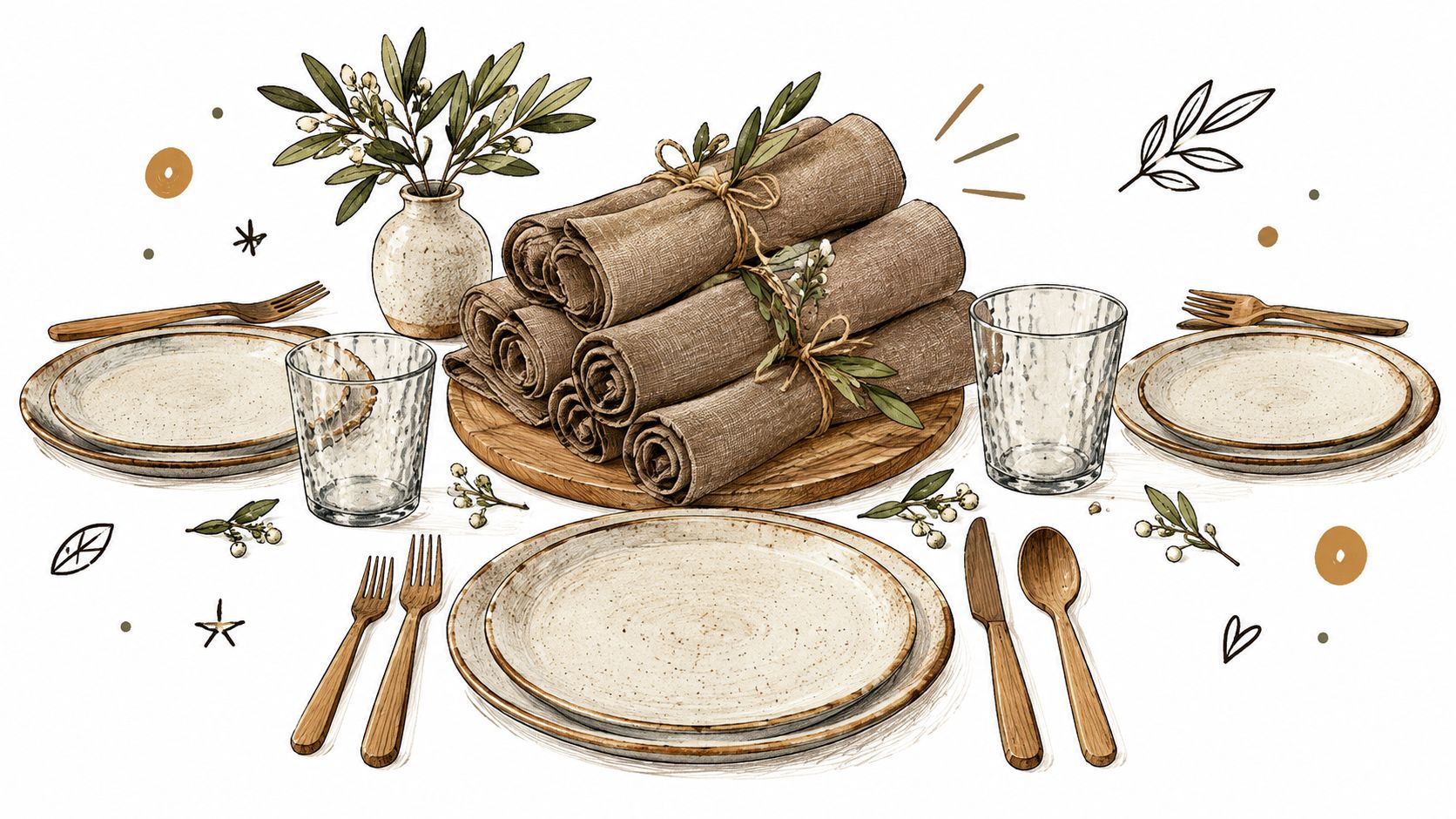
Brown also earns its place through practical performance. It disguises minor marks better than pale fabric, while linen contributes a dry hand, irregular texture, and soft rumple. Keep that character visible. Fold the napkin loosely or tie it once instead of pressing it into a rigid rectangle, unless the meal calls for a sharper presentation.
A material with a long memory
Linen starts with flax, a plant fiber with a remarkably long human history. Archaeologists reported in 2009 that flax fibers more than 34,000 years old were found in Dzudzuana Cave in the Republic of Georgia. The CFDA's overview of flax and linen documents this early evidence and places flax among the oldest plant fibers used by humans. Evidence of flax cloth production reaches at least 8,000 BCE, while industrial-style flax-yarn production dates back roughly 5,000 years.
Ancient Egypt became closely associated with linen. By about 3,000 BCE, Egyptian textile workers were producing exceptionally fine cloth reportedly reaching 540 threads per inch. Linen served royal garments and mummy wrappings, according to the historical account in the CFDA reference. That history gives linen a natural place in dining rooms, hotels, and formal hospitality.
Brown continues that lineage in a quieter form. It may reflect natural flax tones, minimally dyed yarn, or a later brown finish. Dye choice still matters: brown can range from warm tan to deep umber, and uneven coloration becomes more visible across a rumpled surface. Linen remains a specialty fiber, representing less than 1% of worldwide textile-fiber consumption. Its limited presence helps explain the fabric's distinctive character and premium feel. Choose brown linen for its performance and adaptability, then keep its long textile history in view.
Evaluating Weave, Weight, and Size
The label “linen” isn't enough. Two napkins can both claim linen and feel completely different on the table. Look first at fiber content, then at construction. A linen-rich or flax-based fabric with a firm, closely formed weave will generally feel more substantial, hold its shape better, and manage spills more confidently than a loose, flimsy cloth.
What to inspect before buying
Run your fingers across the surface. A quality napkin should feel textured but not brittle, with a weave that doesn't open dramatically when you pull the fabric gently in opposite directions. Heavier construction gives the napkin more mass for absorbing liquid, while tighter weaves usually provide a more controlled drape and a better barrier against quick saturation.
Flax is hygroscopic, meaning it takes up moisture from its surroundings. Typical moisture regain is approximately 10–12%, and flax absorbs liquid quickly while encouraging it to spread across the fabric instead of remaining in one concentrated wet patch, as explained in this comparative analysis of flax and other fibers. That makes a sufficiently dense linen napkin useful for condensation, small sauce drips, and drying hands.
Finishes can change performance. Surface coatings, blends, and some softening treatments may reduce wetting, so ask for the fabric weight, exact fiber content, and care instructions. If a product is described only as “linen-look,” assume it isn't linen until the composition says otherwise.
Match dimensions to the meal
Size changes how a napkin behaves. A smaller cloth suits a quick drink or casual breakfast, while a generous square folds more elegantly and protects clothing during a longer dinner.
| Size (Inches) | Best Use Case | Formality Level |
|---|---|---|
| 16 x 16 | Cocktails, coffee, light brunch | Casual |
| 18 x 18 | Everyday lunch or dinner | Relaxed |
| 20 x 20 | Dinner parties and multi-course meals | Polished |
| 22 x 22 | Formal place settings and lap coverage | Formal |
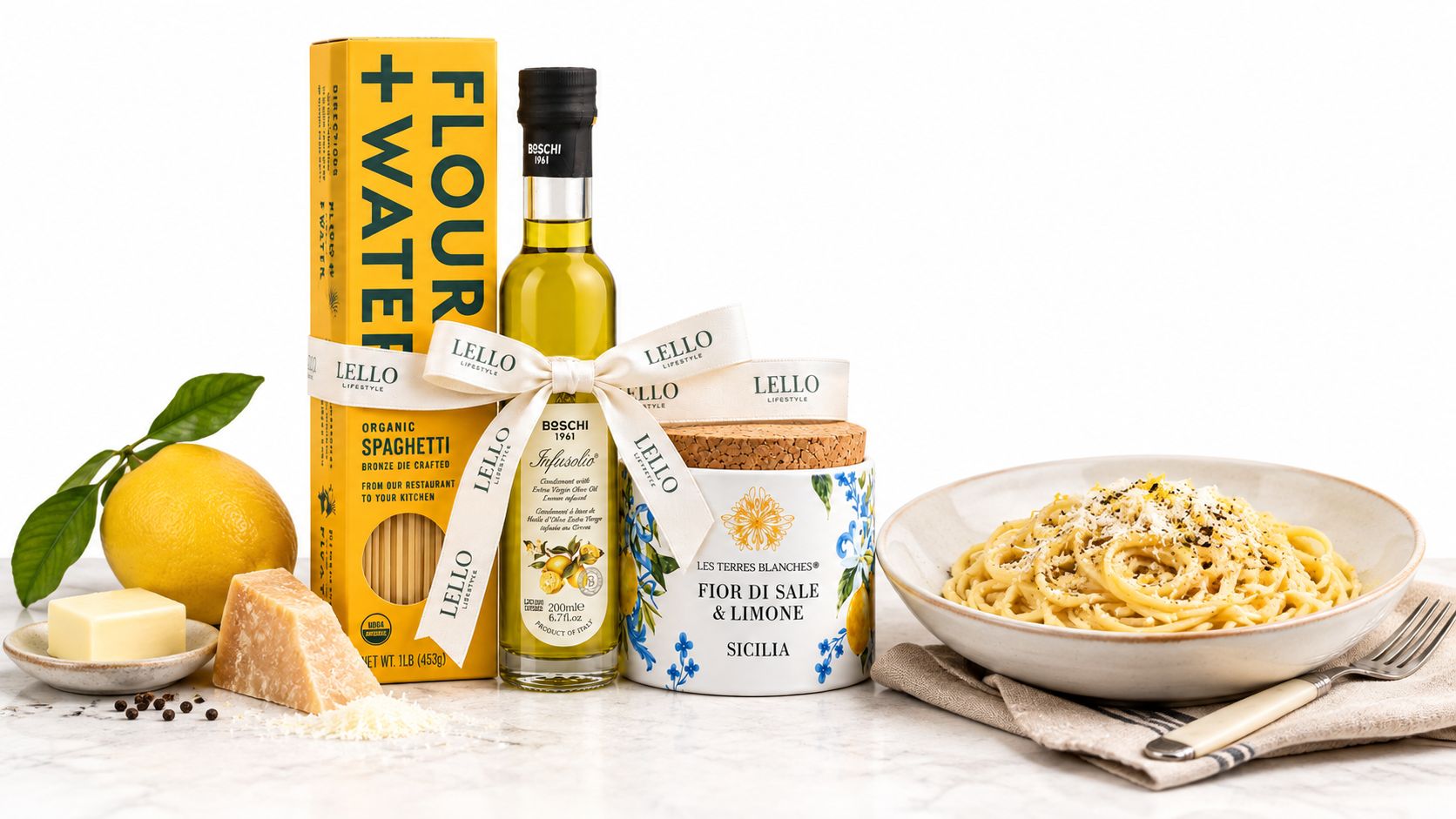
For a supper built around spaghetti al limone, The Lemon Pasta Supper pairs bronze-die spaghetti with lemon olive oil and Sicilian lemon fior di sale, a useful reminder that the napkin should support the food rather than overpower it. Choose a size that stays on the lap, absorbs confidently, and doesn't crowd the plate.
Buying rule: If the napkin feels insubstantial in your hand before washing, laundering won't turn it into a better textile.
Styling Earthy Tones for Every Tablescape
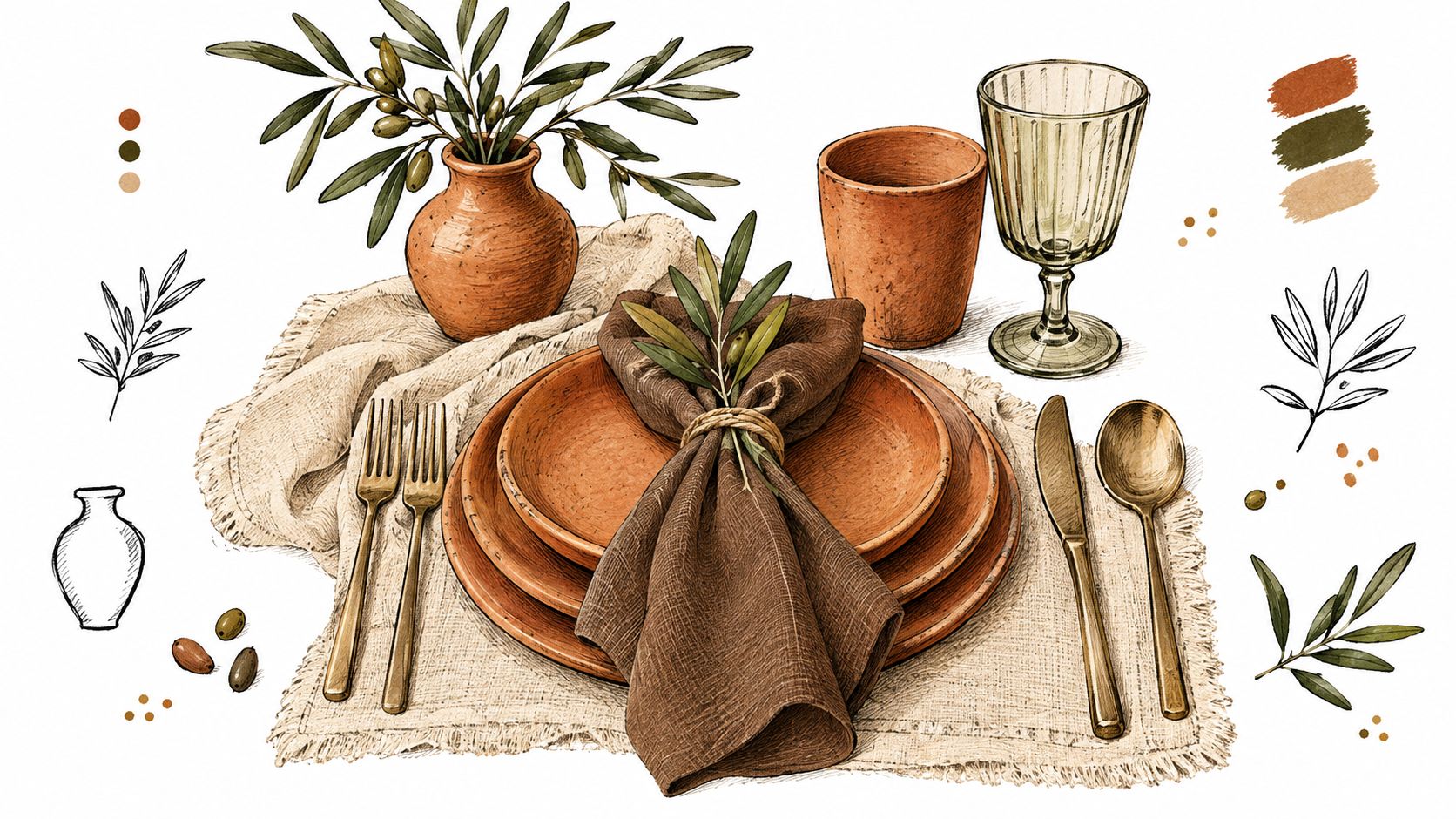
Brown linen napkins work because they sit between several palettes. They're warm enough for terracotta and wood, restrained enough for white porcelain, and deep enough to make pale ceramics look brighter. Treat brown as an anchor, not a theme.
Three combinations that rarely fail
For an afternoon aperitivo, use brown napkins with cream stoneware, clear glasses, and a small bowl of olives. Add a strip of dehydrated citrus near the garnish bowl or tuck a dried orange slice into the drink. The brown fabric gives the citrus color somewhere to land without turning the table into a seasonal display.
For an intimate dinner, pair a dark brown napkin with white porcelain, aged brass, and a low arrangement of herbs or olive branches. Keep the centerpiece below eye level. A napkin folded under the fork feels composed; a napkin tied with natural cord feels more relaxed.
For a casual pasta supper, use lighter brown linen with handmade plates and a bottle of finishing oil on the table. Add a small dish of finishing salt, but don't scatter accessories everywhere. The strongest table settings leave room for serving bowls, conversation, and hands.
The same principle applies to an autumn gathering, a summer lunch, or a weekday meal. Brown linen gives the table continuity while the food, flowers, and glassware provide the seasonal shifts.
Read this guide to quiet luxury table settings for a restrained approach to combining exceptional ingredients with simple table materials. The advice is sound: let provenance and quality carry the mood, rather than piling on decorative objects.
Let contrast do the work
- White ceramics: Create the cleanest contrast and make brown look richer.
- Terracotta and olive green: Build a tonal, Mediterranean table without matching every element.
- Brass or dark metal: Add structure and a little evening weight.
- Glass and pale wood: Keep brown linen from feeling heavy in daylight.
Fold the napkin. Brown already supplies visual depth, and too much folding turns texture into clutter.
Mastering Colorfastness and Stain Removal
Brown linen needs a care plan, especially if the shade comes from natural dyes or a finish that hasn't fully stabilized. A napkin can look perfect in the package and still release pigment when wet. Test it before the dinner, not while guests are arriving.
Test the dye before the first event
Press a damp white cloth against an inside hem. If brown transfers easily, wash the napkin separately or with similar dark colors before using it with a white tablecloth. Photographing the original shade also gives you a practical reference for judging gradual fading.
Colorfastness testing uses standards such as ISO 105. Fiber-reactive dyes bond covalently with cellulose and are reported around grade 4–5 on ISO-style wash, light, and rubbing scales, while natural dyes more commonly fall around grades 3–4, according to this guide to linen dyeing and colorfastness. Those ratings matter because damp rubbing and acidic foods can expose weak dye performance.
A practical stain protocol
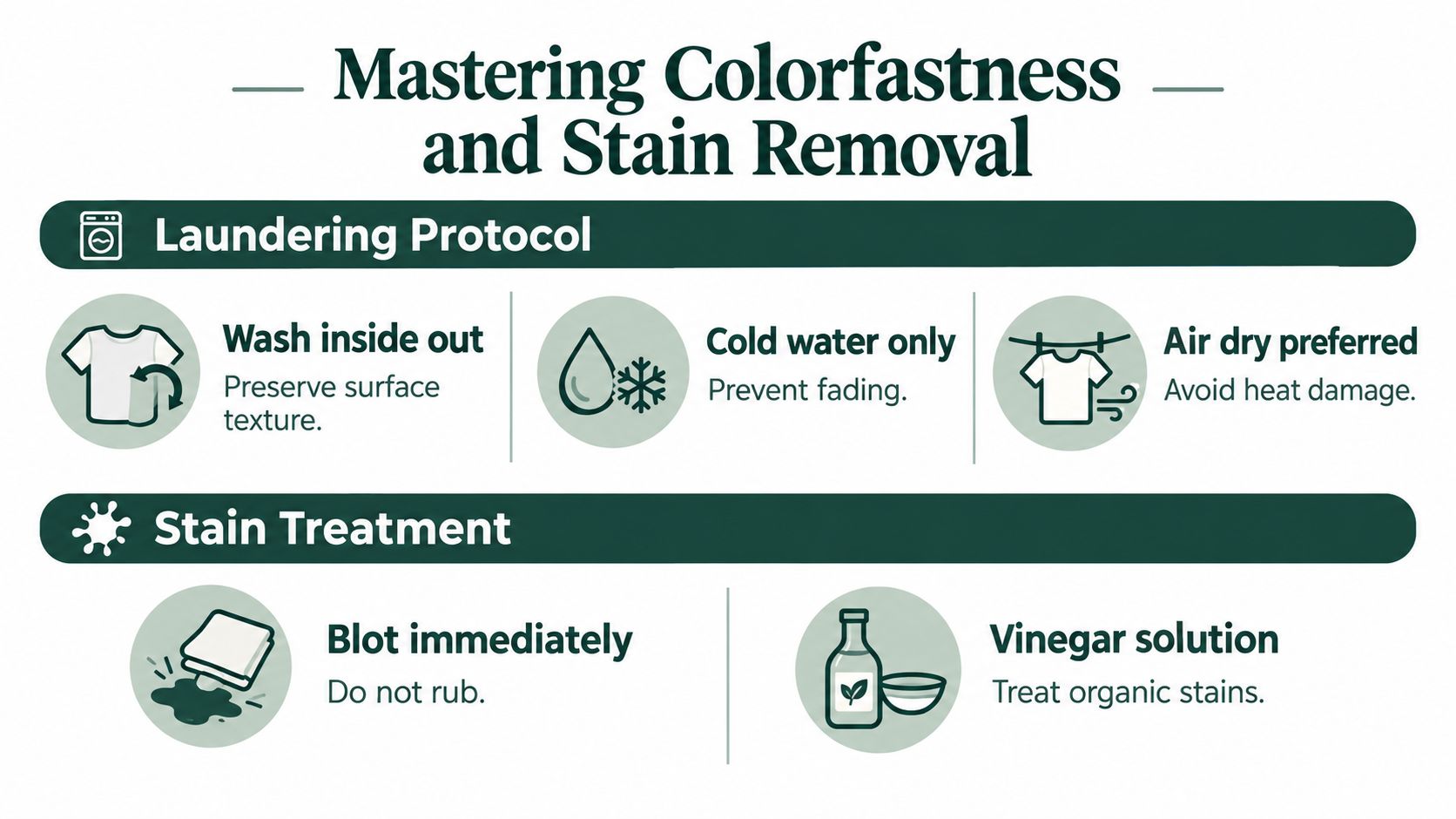
Blot olive oil, wine, tomato, turmeric, or berry juice immediately. Don't rub. Rubbing pushes the stain deeper and creates uneven abrasion that can become more noticeable than the original mark.
Use a small amount of mild detergent on a hidden hem first. For a food stain, work from the back of the fabric and rinse gently. Avoid bleach, aggressive scrubbing, and prolonged soaking. Long soaking can leach unfixed dye, while direct sunlight can accelerate fading, particularly in naturally dyed brown textiles.
- Before washing: Separate brown napkins from pale linens and inspect each stain.
- During washing: Follow the maker's temperature instructions, use a gentle cycle, and avoid excessive heat.
- After washing: Air-dry when practical, reshape the napkin, and keep it out of prolonged direct sun.
- Before storage: Confirm the cloth is fully dry, then store it away from dampness and strong light.
Use an unscented detergent for table linens so perfume doesn't compete with food and wine. Common Good Unscented Laundry Detergent is a plant-based, enzyme-containing formula made for household linens, with no synthetic fragrance, dyes, or phosphates.
For a visual laundry reference, use the following video:
Stain rule: A slight, even patina can suit brown linen. Dye transfer onto a white cloth is a quality problem, not character.
The Real Sustainability of Reusable Linens
Reusable napkins aren't automatically the responsible choice. Their value depends on whether you use them often, wash them efficiently, and keep them in service. A drawer full of beautiful linen that gets washed in tiny loads and dried with high heat can undermine the advantage of reusability.
Life-cycle evidence identifies laundering as a major part of textile napkins' footprint. Laundry services can represent 55–70% of total greenhouse-gas emissions in textile-product assessments, and reusable textile napkins become preferable to disposables only after roughly 100 washing cycles, according to this life-cycle report on reusable textiles.
Calculate your own use pattern
Start with four questions:
- How often will you use them? Weekly use gives a different result from occasional holiday use.
- Can you wash a full load? Adding napkins to an existing linen load is more sensible than running a small cycle for a few pieces.
- Can you air-dry them? Air-drying reduces reliance on heated drying.
- Will you keep them long enough? Durability matters more than the word “linen” on the label.
The most sustainable setup is simple: buy durable napkins, use them repeatedly, wash them with similar textiles, and avoid treating every small spill as a reason for an immediate separate wash. Brown can help visually because minor marks may be less conspicuous, but that only matters if the napkin remains hygienic and pleasant to use.
The honest conclusion: The greenest napkin is the one you actually use, wash efficiently, and keep out of the waste stream for a long time.
Curating Thoughtful Linen Gift Sets
Brown linen napkins make excellent gifts because they're useful without requiring the recipient to know their exact size, style, or taste in decorative objects. They suit the new host, the serious cook, the person furnishing a first apartment, and the friend who prefers a dinner at home to another bottle of wine.
Build the gift around a meal rather than a color story. Pair the napkins with a finishing salt, a bottle of olive oil, cocktail garnishes, or a small serving piece. The recipient should be able to understand how the items work together, not receive a basket of unrelated luxuries.
Match the set to the person
For a housewarming, choose brown linen napkins with a pantry staple and a simple serving accessory. For a wedding or registry gift, combine them with neutral table pieces that can work across seasons. For a client or team gift, a curated aperitivo edit feels more personal than a generic branded object, especially when the package includes a note explaining how to use each item.
Keep presentation practical. Tie the napkins with ribbon or cord, place the food items where they can be seen, and include care instructions for the fabric. If you're uncertain about dietary preferences or shipping details, use a service that can coordinate the selection and note.
Lello's hostess gift collection offers a starting point for combining pantry goods, cocktail elements, and selected home pieces. The useful principle is curation: fewer items, clear provenance, and a reason for each component.
A thoughtful gift doesn't need to be extravagant. It needs to make the recipient's next meal easier, more beautiful, or more enjoyable. Brown linen napkins accomplish that when they arrive with ingredients and tools that invite immediate use.
Choose brown linen napkins by fiber content, weave, weight, dye performance, and washing habits, not by color alone. For carefully selected table textiles and pantry goods that make hosting feel considered rather than complicated, visit Lello.Store and build a setting around the meals you actually want to serve.